Oceanic plan against tsunami risk









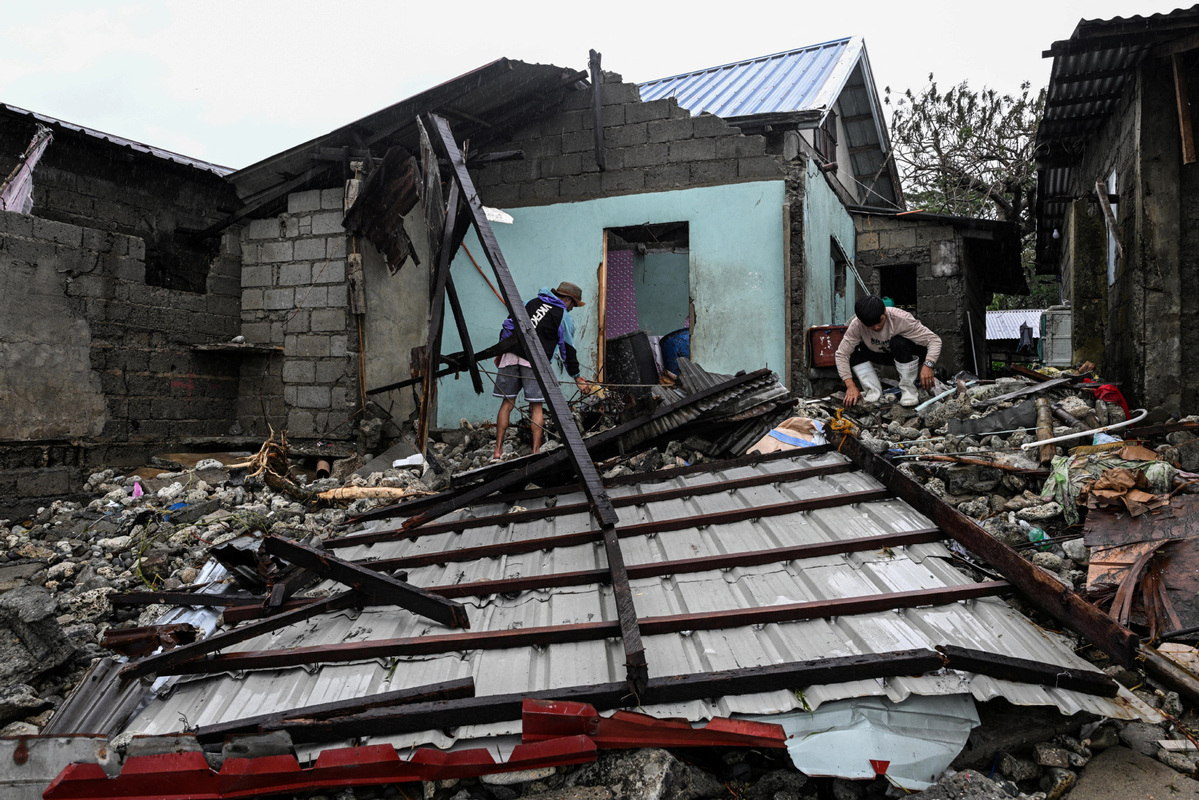
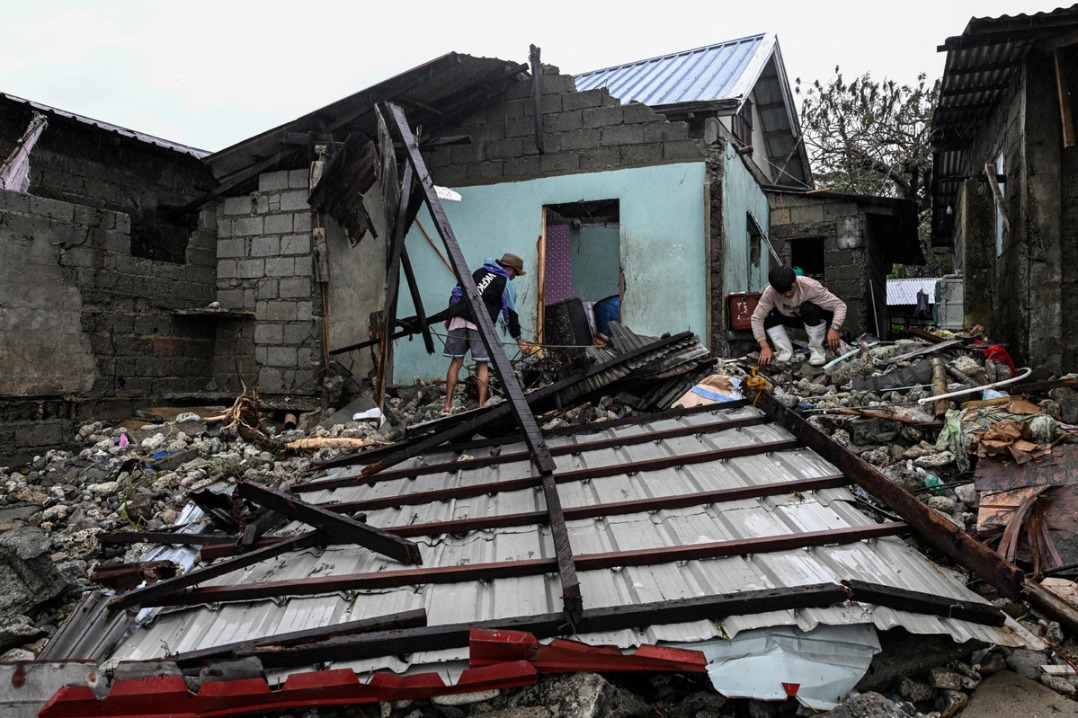
By Nov 11, Typhoon Kalmaegi in the Philippines had killed more than 200 people and affected over 4.16 million. Such events highlight the devastating impact of natural hazards on vulnerable populations.
Earlier this year, on a quiet July morning in Severo-Kurilsk, a coastal town in eastern Russia, the sea began to retreat unnaturally fast. Within minutes, tsunami sirens blared and 2,700 residents evacuated to higher ground. Waves up to 5 meters high inundated the port and fish factory, but no lives were lost. The town's survival reflected years of investment in early warning systems, community drills, and resilient infrastructure. The 2025 Kamchatka tsunami demonstrated what preparedness can achieve when science, governance, and community action align.
These efforts build on a broader regional commitment. The functioning Indian Ocean Tsunami Warning and Mitigation System (IOTWMS) and the Pacific Tsunami Warning and Mitigation System (PTWS) have enabled real-time seismic and sea-level monitoring, coordinated drills, the expansion of tsunami service providers, and integration of tsunami preparedness into national disaster management frameworks across 46 ESCAP coastal countries.
As we reflected on World Tsunami Awareness Day on Nov 5 under the theme "Be Tsunami Ready: Invest in Tsunami Preparedness", this achievement reminded us that resilience was possible, but only with persistent and consistent investments and cooperation.
Tsunamis remain one of the most devastating natural hazards, capable of wiping out entire communities in minutes. In the Indian Ocean, over 20 million people across 13 ESCAP member countries live in tsunami-exposed zones. In the Pacific, where 70 percent of all recorded tsunamis have occurred, Small Island Developing States face existential risks even from moderate events.
However, tsunami risk is rarely isolated. It is compounded by coastal flooding, cyclones, landslides, and volcanic eruptions, risks now intensified by climate change. Rising sea levels reduce evacuation time and increase the reach of tsunami inundation. In the Pacific, a 50-centimeter rise in sea level could expand tsunami flooding areas by up to 30 percent, while in the Indian Ocean, urban centers such as Jakarta, Chennai and Colombo face cascading threats from cyclones, floods and tsunamis.
This interconnected hazard landscape demands integrated solutions. Tsunami preparedness must be embedded within broader multi-hazard frameworks, urban planning and climate adaptation strategies.
Across both oceans, countries conduct tsunami capacity assessments using a standardized, regionally endorsed methodology developed with UNESCO's Intergovernmental Oceanographic Commission and supported by the Trust Fund for Tsunami, Disaster and Climate Preparedness.
Far more than technical exercises, they reflect two decades of progress since the 2004 Indian Ocean tsunami — highlighting remaining vulnerabilities and galvanizing political commitment. The push for a unified approach stems from the need to celebrate achievements, strengthen preparedness, and enable countries to evaluate their capacities across six key pillars: risk knowledge, monitoring and forecasting, warning dissemination, preparedness and response, governance and financing.
Despite progress, the assessments revealed persistent gaps that must be addressed to ensure every community is tsunami ready:
First. Sustain national operations: Expand monitoring infrastructure in underserved coastal areas and ensure 24/7 operational readiness in all national tsunami warning centers, through public financing and investments in human resources.
Second. Strengthen risk knowledge and community awareness: Only 18 percent of Indian Ocean countries and 31 percent of Pacific countries that completed the assessment conduct hazard assessments at the community level. Public access to hazard maps, evacuation plans and culturally relevant education materials must be improved.
Third. Enhance warning dissemination and communication: Whilst significant advances have been made on internet connectivity, multi-channel communication networks and infrastructure upgrades, only 32 percent of countries in the Indian Ocean basin have robust warning dissemination infrastructure such as satellite phones and VSAT communication infrastructure to reach remote communities. The Pacific Ocean faces similar problems with reaching remote island communities where local communication infrastructure is limited.
Fourth. Empower community-led preparedness initiatives: Invest in inclusive, locally driven tsunami preparedness efforts. Support communities to develop evacuation plans, conduct drills and integrate traditional knowledge with scientific risk assessments. The UNESCO-IOC Tsunami Ready Programme offers a valuable framework to build awareness, strengthen local leadership, and foster ownership of preparedness actions to ensure that early warnings translate into life-saving action.
Fifth. Mobilize multi-hazard financing: Global, regional and national cooperation has proven essential to share resources, data, and knowledge for effective tsunami and multi-hazard preparedness. Yet only 32 percent of countries have actionable plans based on tsunami risk assessments. Investment gaps should be filled to accelerate progress on community preparedness, through private sector engagement and integration of efforts with a multi-hazard approach.
The ocean connects us, but it also challenges us. Tsunamis cross borders, and so must our preparedness. The 2025 Kamchatka tsunami showed that lives are saved when communities are empowered, systems are in place, and warnings are heeded. Resilience is more than a goal, it is a choice we must make together.
Temily Baker is programme management officer of Disaster Risk Reduction Section, ESCAP. Michel Katrib is an intern at the same section.
The views don't necessarily represent those of China Daily.
If you have a specific expertise, or would like to share your thought about our stories, then send us your writings at opinion@chinadaily.com.cn, and comment@chinadaily.com.cn.