Cross-border rail rallies regional connectivity
Driven by the BRI, growing transport network is increasing passenger, trade flows across Southeast Asia










For more than a century, Europeans have boarded cross-border trains to crisscross the continent, from the iconic Orient Express to the high-speed trains used today.
In Asia, due to geography and geopolitical history, development has traditionally lagged. But all that has changed in recent years as cross-border rail in Southeast Asia, in particular, is undergoing a major transformation driven by infrastructure investment aimed at boosting regional connectivity.
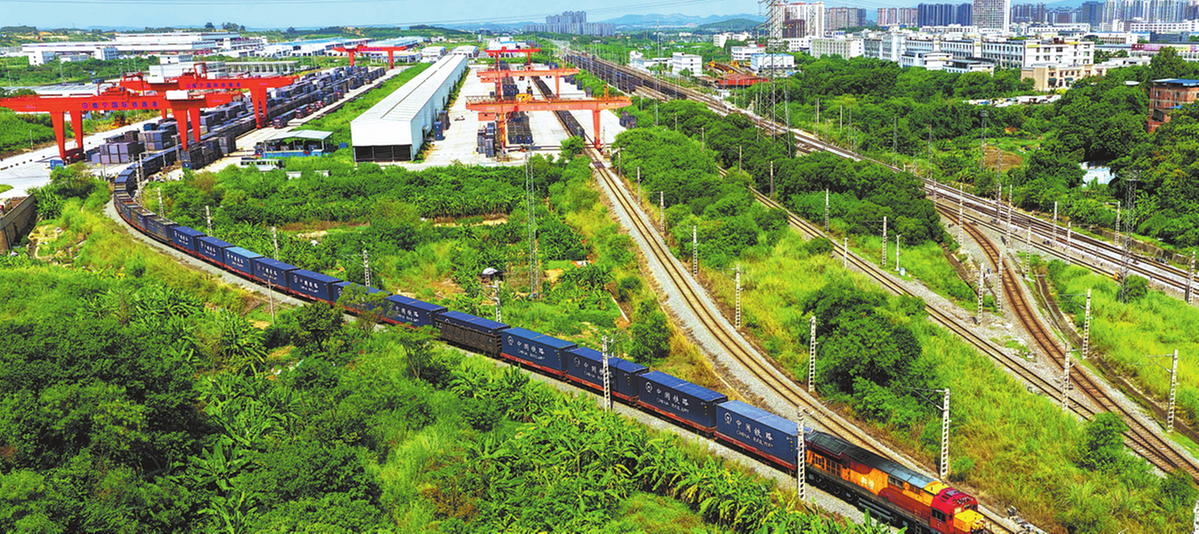
Stemming from China's southwestern flank, a cross-border rail network is being woven, bringing neighboring economies closer together.
From the mountains of Laos to the borderlands of Vietnam, these railways are reshaping trade flows, cutting logistics costs and bringing people-to-people exchanges to life. Together, they form a vivid picture of how the "iron dragon" — China's modern railway system — is connecting the nation more deeply with the world and driving shared prosperity across Asia.