World's highest urban wetland a global model









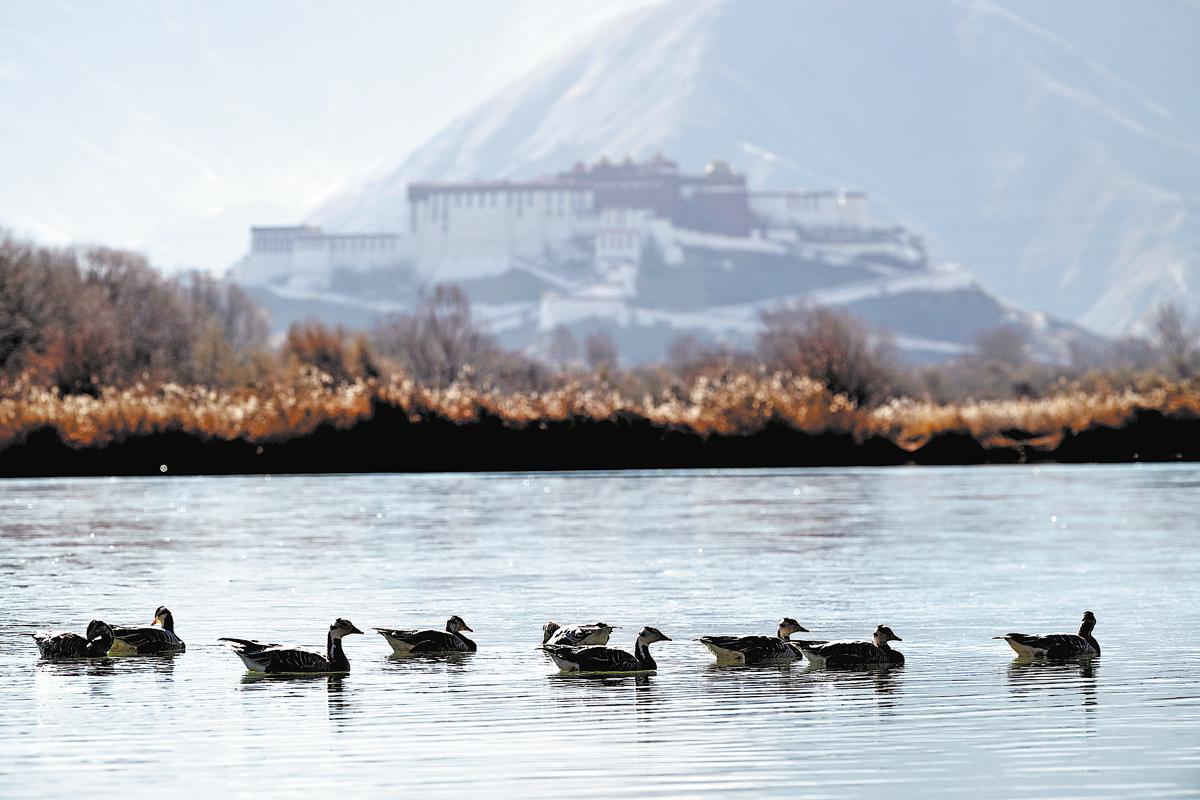
As the sun bathed the Potala Palace in golden light on Saturday morning in Lhasa, the capital of Southwest China's Xizang autonomous region, it also set the nearby Lhalu wetland shimmering, with the cold air giving way to the warmth of a new day.
In this typically tranquil realm, wildlife moves in harmony with nature. On open ground near a gate, bar-headed geese gathered with scores of other birds for their accustomed morning ritual: feeding on the highland barley scattered by wildlife conservationists.
Yet on this particular day, the scene was different: The place bustled with activity as crowds gathered — not for barley, but for celebration of the fact that the Lhalu Wetland National Nature Reserve had been officially confirmed on Saturday as the "highest urban natural wetland" by the World Record Certification Agency.
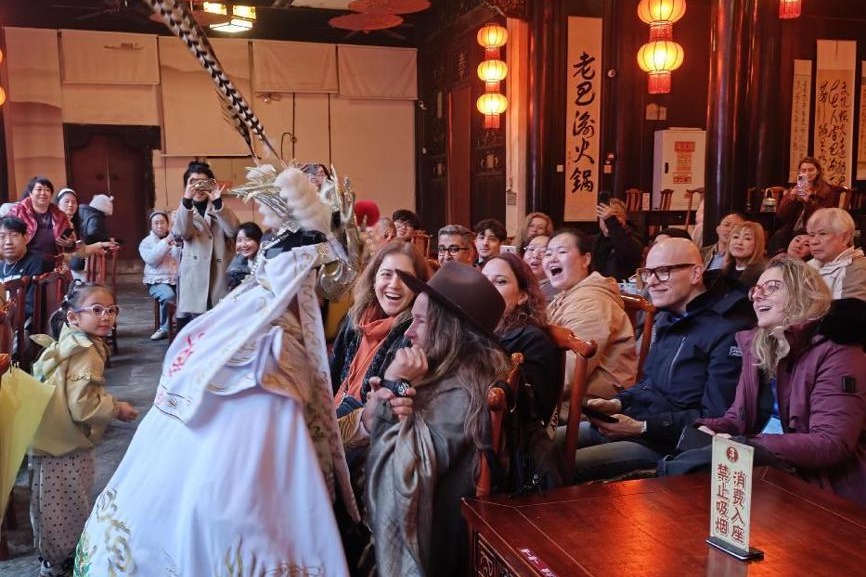
The festive air, featuring music and a Tibetan Opera performance as a highlight, brought together a diverse crowd. Representatives from government ecology departments, wetland guardians, schoolchildren and certifying officials all joined the celebration.
Presided over by the Potala Palace and clearly visible across the water, the Lhalu wetland is nestled in the heart of Lhasa. Often called the "Lungs of Lhasa", the wetland highlights China's achievements in high-altitude environmental protection and serves as a global model of sustainable conservation.
Covering 12.2 square kilometers at an average altitude of 3,649 meters above sea level, the wetland is a rare ecological gem in the heart of the urban area of Lhasa and a vital habitat for diverse wildlife. The new international certification underscores Xizang's accomplishments and provides a crucial reference for the global community for preserving wetlands at high altitude.
Lhasa was recognized in July as an International Wetland City, a title granted under the Ramsar Convention on Wetlands — an intergovernmental treaty adopted in Ramsar, Iran, in 1971. The announcement was made during the 15th Meeting of the Conference of the Contracting Parties in Victoria Falls, Zimbabwe. Lhasa is among nine newly accredited Chinese locations, bringing the nation's total to 22, more than any other country.
In recent years, rigorous ecological protection efforts — including scientific planning, meticulous management and strict supervision — have greatly enhanced the wetland's ecological functions and biodiversity, according to the Lhasa forestry and grassland bureau. Vegetation coverage has reached more than 95 percent, making it a biological paradise that nurtures 435 plant species, 167 bird species and 80 insect species.
Kelsang Norbu, head of the bureau, said that because the government has invested more than 900 million yuan ($127.8 million) for restoration and management, the Lhalu wetland "has become a safe haven in which many migratory birds, such as the black-necked crane, can safely spend the winter".
Phurdron, a resident of Lhasa who said she jogs in the wetland almost every day, was pleased to hear about the recognition.
"The most significant change I've noticed is that the wetlands have become increasingly vibrant and full of life," she said. "There's less litter, the aquatic plants are more lush and there are more birds."
Contact the writers at palden_nyima@chinadaily.com.cn



- Vice-chairman of CPPCC Jiangxi Provincial Committee placed under investigation
- Five trapped in flooding accident at Heilongjiang coal mine
- Long March 5 rocket deploys tech demo satellite into space
- China launches communication technology test satellite
- Spokesperson warns against aggression toward mainland fisherman
- Lhasa wetland reserve recognized as world's highest altitude wetland